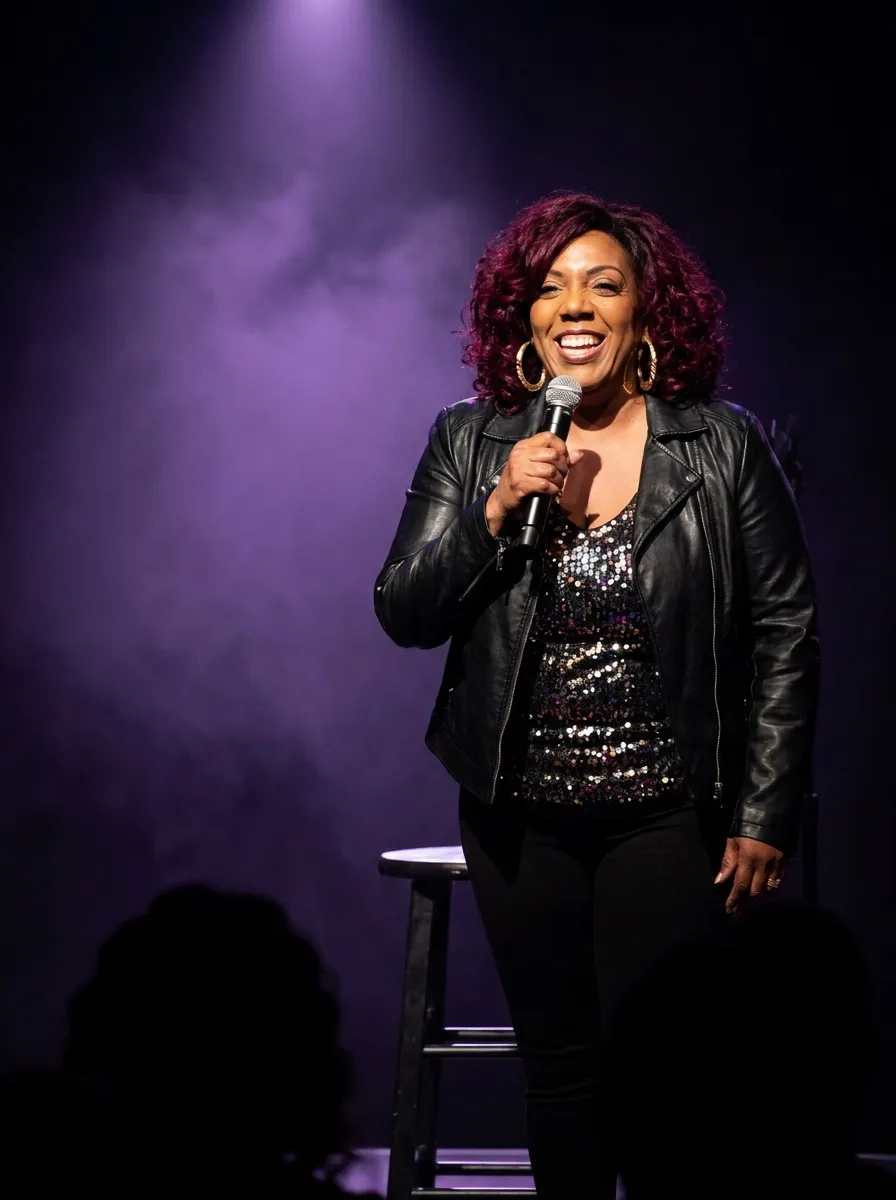
Want to know how to become a comedian in 2027? Start with the good news: you do not need a specific degree, a perfect backstory, or permission from the comedy industry.
You need material, stage time, resilience, and a plan.
A Note From Hope Flood, Founder of Comics Rock Convention
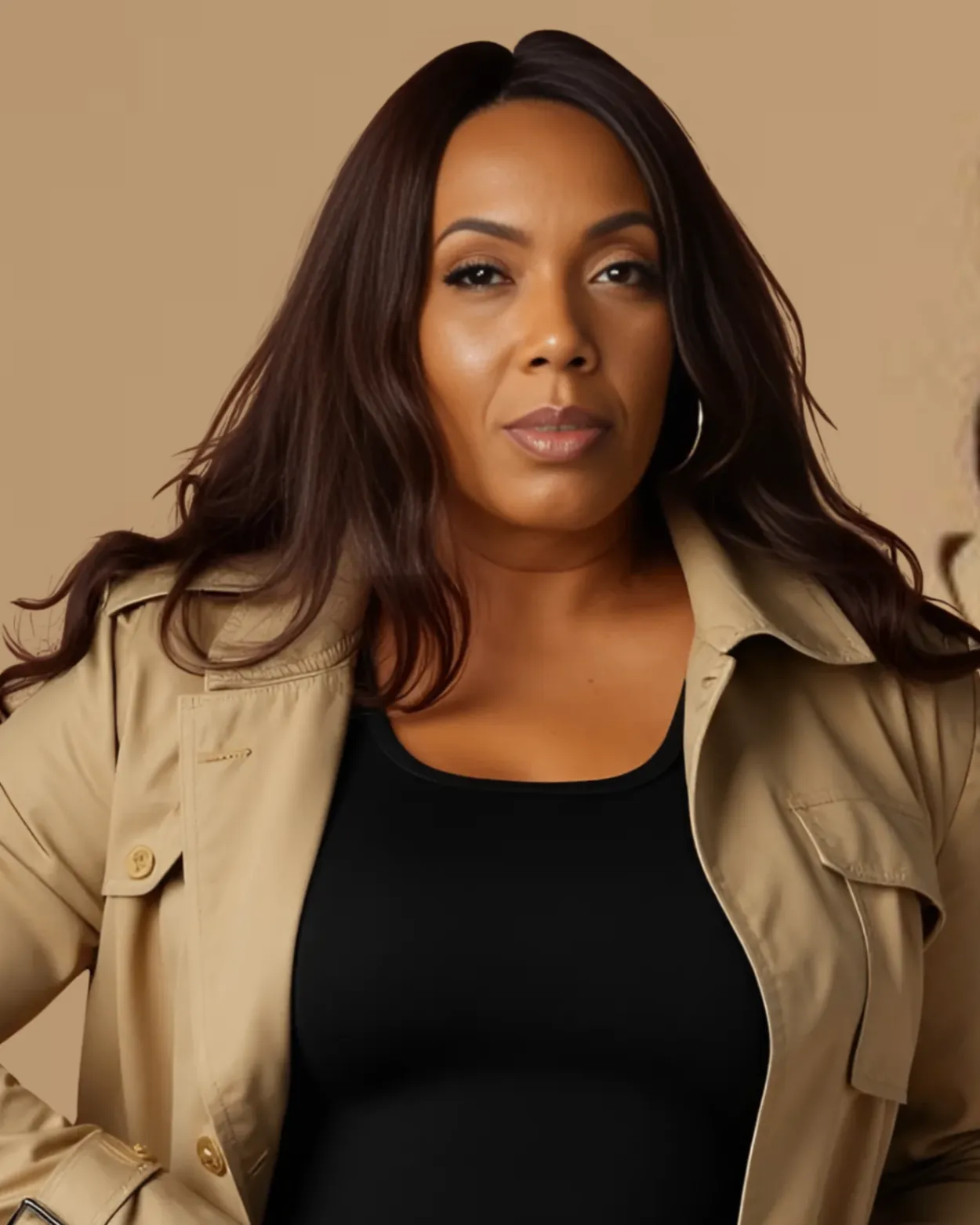
I launched this convention in 2011 as the Females In Comedy Convention because I saw a real need for female comedians to have a space built with them in mind. I ran it under that name and mission, and I am proud of what it created. Then in 2013, I rebranded and renamed it Comics Rock Convention so ALL comics could come — every gender, every background, every career stage. That heart is still at the center of this work. I believe in creating opportunity, building real community, and making sure comedians have a place to learn, connect, and grow. If you are serious about this craft, keep going. Keep showing up. Keep sharpening your voice and building your path. You do not have to do it alone.
— Hope Flood
A comedy career is built one joke, one audience, one open mic, and one professional relationship at a time. Whether you want to perform stand-up, write for television, create digital comedy, host shows, or work across several areas of the industry, the fundamentals are the same: write consistently, perform regularly, study the craft, and keep improving.
Here is a practical roadmap for starting stand-up comedy today.
1. Study comedy before you try to copy it
Before you write your first set, watch and listen to a wide range of comedians. Attend live shows, watch specials, explore podcasts, and visit a local comedy open mic as an audience member.
Pay attention to:
- How comedians create a point of view
- The difference between a premise and a punchline
- Timing, pauses, and rhythm
- How stories are structured
- How performers use their voice and body
- What makes an audience trust a comedian
Do not study comedy to become a copy of someone else. Study it to identify what genuinely makes you laugh.
Start a notes file on your phone. Write down observations, frustrations, unusual thoughts, personal stories, and questions that keep coming back to you. Your perspective is the raw material of your act.
2. Learn how to write a comedy set
One of the most important stand up comedy tips for beginners is simple: write before you feel ready.
You do not need to write a perfect ten-minute routine. Your first goal is a three-to-five-minute set made up of several short bits.
A basic joke often includes:
- A premise: What are you talking about?
- A setup: What does the audience need to understand?
- A punchline: What is the unexpected turn?
- Tags: What additional jokes can come from the same idea?
When learning how to write a comedy set, focus on clarity. Remove extra words. Say the funny part as soon as possible. Look for opportunities to heighten an idea, add specificity, or surprise the audience.
A useful beginner writing exercise is to take one ordinary experience (an awkward date, a family argument, a strange job, or an embarrassing mistake) and write ten different observations about it. The first idea may be obvious. The seventh or tenth may reveal your unique angle.
Do not throw away jokes that fail on the page. Some material only becomes clear once you perform it.
3. Consider stand-up comedy classes or workshops
You can learn by doing, but structured instruction can help you move faster and avoid common mistakes.
Look for stand up comedy classes, improv classes, acting classes, or a stand up comedy workshop led by an experienced performer. A good class can help you understand:
- Joke structure and punchlines
- Storytelling and act-outs
- Stage presence
- Microphone technique
- Editing and rewriting
- How to give and receive feedback
Comedy writing workshops can be especially useful if your long-term goals include television, film, sketch comedy, podcasting, or digital content.
Classes are not a substitute for stage time. Think of them as a training environment where you can test ideas, meet other performers, and receive useful notes before taking material into a live room.
4. Perform at your first comedy open mic
At some point, you have to get onstage.
Search for comedy clubs, bars, restaurants, theaters, and community spaces in your area that host open mics. Read the rules carefully. Some shows require advance sign-ups, while others use a lottery or first-come, first-served system.
For your first set:
- Prepare three to five minutes of material
- Memorize the basic structure, not every breath
- Arrive early
- Bring your notes
- Respect the time limit
- Stay to watch other comedians
- Be prepared for the material to feel different onstage
Your first performance may be exciting, awkward, chaotic, or all three. That is normal. The goal is not to be instantly brilliant. The goal is to learn what it feels like to hold the microphone, hear the room, manage your nerves, and complete the set.
Bombing is not proof that you should quit. It is information.
5. Build a weekly writing and performance routine
Progress comes from repetition. Create a schedule that you can sustain around work, family, school, or other responsibilities.
A realistic weekly routine might include:
- Daily: Capture ideas and write for 20–30 minutes
- Two or three times per week: Expand premises into complete jokes
- One to three times per week: Perform at an open mic or show
- After every performance: Record notes about what worked and what did not
- Once per week: Rewrite older material
- Once per month: Review your progress and update your goals
Record your sets whenever the venue allows it. Audio is enough to start. Listen for where the audience laughs, where the energy drops, and whether your setup is longer than it needs to be.
Use the cycle:
Write → perform → record → review → rewrite.
That cycle is the engine of stand-up comedy.
6. Find your voice instead of chasing trends
Your comedy voice is not something you select from a menu. It develops as you write and perform.
You may discover that you are naturally drawn to personal storytelling, social commentary, observational comedy, characters, crowd work, surreal ideas, or dark humor. You may also find that your style changes as you gain experience.
Ask yourself:
- What topics do I keep returning to?
- What do I notice that other people overlook?
- What frustrates or fascinates me?
- What point of view can I bring to a familiar subject?
- What kind of audience do I want to connect with?
You do not need to define your brand on day one. Give yourself room to experiment. Your early sets are a laboratory.
7. Build relationships the professional way
Comedy is a community, and relationships matter. Networking does not mean handing everyone a business card or asking for a spot immediately.
Start by being dependable and respectful:
- Arrive on time
- Follow the host’s instructions
- Do not go over your time
- Support other performers
- Introduce yourself briefly
- Thank the host and staff
- Avoid monopolizing industry professionals
- Follow up thoughtfully when appropriate
Join a writing group or practice group with comedians who want honest, constructive feedback. Attend shows even when you are not performing. Over time, you will meet hosts, producers, bookers, writers, photographers, podcasters, and fellow performers.
Your reputation is being built every time you enter a room.
8. Use festivals and conventions to accelerate your career
Many people are doing comedy festivals, and for good reason. A comedy festival can compress months of learning, performing, and networking into a focused experience.
Festivals and conventions can give you access to:
- A comedy showcase with new audiences
- Panels featuring working comedians and industry professionals
- Professional development sessions
- Comedy writing workshops
- Performance feedback
- Networking with comedians from other cities
- New collaborators, mentors, producers, and bookers
A comedy convention can be especially valuable because it brings multiple parts of the industry together. You are not only watching performances; you are learning how careers are built behind the scenes.
For example, the 12th Annual Comics Rock Convention takes place September 11-17, 2027, in Los Angeles. Comics Rock Convention brings together comedians, writers, producers, and comedy professionals through workshops, industry panels, performance showcases, and networking sessions.
Super Early AF Comics Registration opens Black Friyah, November 27, 2026.
Learn more at comicsrockconvention.com.
If you attend an event like this, arrive with a goal. You might want to improve your five-minute set, learn more about writing for television, meet three new comedy professionals, or find a collaborator for a podcast or live show.
Prepare a short introduction about who you are and what you are working on. Bring a current clip or simple digital profile when appropriate. Most importantly, participate. Attend the workshops, watch the showcases, ask useful questions, and make genuine connections.
9. Create a simple professional presence
In 2027, your online presence can support your live career, but it should support your comedy, not replace it.
Choose one consistent name or handle for your social platforms. When you have strong material and permission to use the footage, share short clips from your performances. You can also post original sketches, observations, podcast segments, or behind-the-scenes content.
Create a simple digital home that includes:
- Your name and comedy style
- A short biography
- A contact method
- Recent performance clips
- Upcoming shows, when available
- Relevant credits
Do not wait until you feel famous. Keep it clean, current, and easy to navigate.
10. Move from open mics to better opportunities
As your material improves, look for guest spots, hosting opportunities, showcases, festivals, writing rooms, and paid performances.
A strong short set should be:
- Clear
- Well-paced
- Consistently funny
- Easy for a booker to understand
- Supported by a quality video clip
You do not need to rush into representation. Agents and managers are most useful when you have a reliable act, professional materials, credits, and a clear direction. Until then, focus on becoming someone bookers want to work with.
Your next 30 days of comedy
If you are wondering what to do first, use this starter plan:
Week 1: Watch live comedy, collect ideas, and attend a local show or open mic.
Week 2: Write a three-to-five-minute set and test it for a friend or writing group.
Week 3: Perform at your first comedy open mic. Record it if possible.
Week 4: Review the recording, rewrite the weakest sections, and book your next stage time.
That is how careers begin, not with one magical opportunity, but with consistent action.
You do not have to know exactly where comedy will take you. Start writing. Get onstage. Learn from every room. Find your people. Keep showing up.
That is how to become a comedian.
To explore workshops, panels, showcases, and networking opportunities, visit comicsrockconvention.com.